
How Fear Shaped the Nuclear Narrative
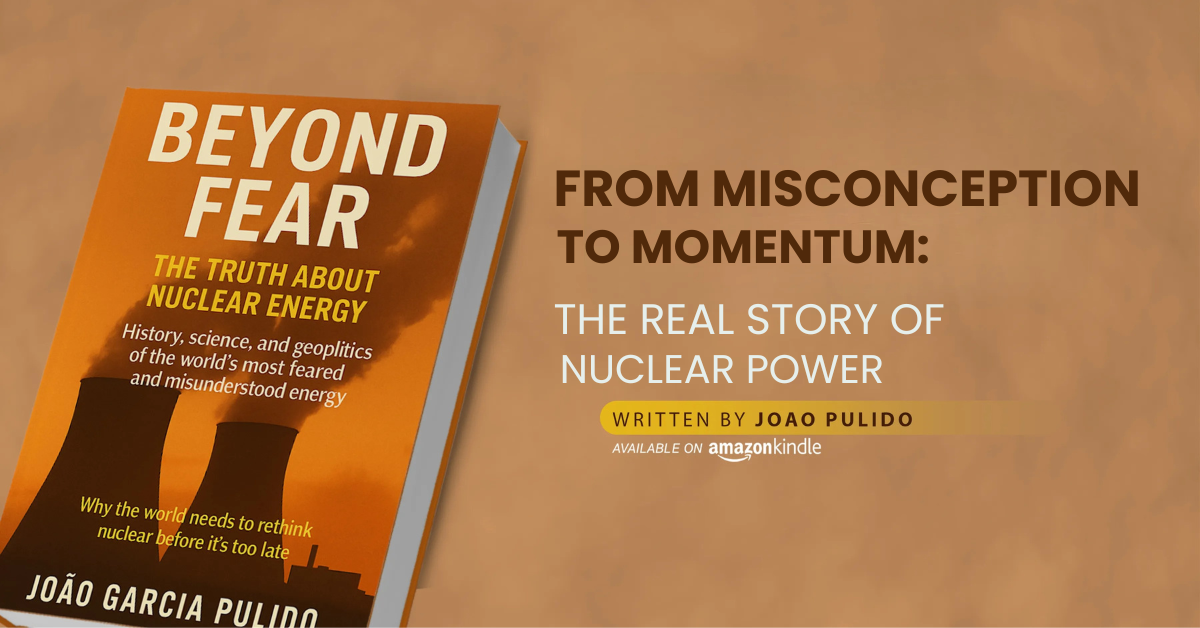
Few technologies have been shaped so deeply by fear as nuclear energy. For decades, public perception has been dominated by dramatic imagery: accidents, radiation warnings, and geopolitical tension. While these concerns did not emerge without cause, Beyond Fear: The Truth About Nuclear Energy argues that fear has long outpaced facts, distorting our understanding of one of the most powerful energy sources available.
Joao Garcia Pulido begins by examining how early optimism around nuclear power gave way to widespread mistrust. High-profile accidents captured global attention, while decades of safe operation and technological advancement faded from view. The result was a narrative frozen in time, one that ignores how profoundly nuclear science has evolved.
Understanding Modern Nuclear Technology
A major strength of Beyond Fear is its ability to translate complex science into accessible insight. Pulido explains how modern nuclear reactors are fundamentally different from earlier designs. Today’s systems incorporate passive safety features, automated shutdown mechanisms, and multiple layers of containment that dramatically reduce risk.
Rather than minimizing past failures, the book treats them as learning moments that reshaped global safety standards. International cooperation, regulation, and transparency have transformed nuclear operations into one of the most tightly monitored industries in the world.
Efficiency, Density, and Environmental Impact
One of the most overlooked advantages of nuclear energy is its extraordinary efficiency. A small amount of nuclear fuel produces an immense amount of electricity compared to fossil fuels. This high energy density means less land use, fewer raw materials, and minimal environmental disruption.
Pulido highlights how nuclear power plants operate for decades with a relatively small physical footprint, making them far less invasive than many large-scale renewable installations. This efficiency positions nuclear energy as a critical tool in preserving natural ecosystems while meeting growing energy demands.
Innovation and the Promise of the Future
The book does not stop at today’s technology. Pulido explores emerging innovations such as Small Modular Reactors and nuclear fusion. SMRs represent a flexible, safer approach to nuclear deployment, while fusion, still under development, offers the promise of near-limitless clean energy with minimal waste.
By presenting both current capabilities and future potential, Beyond Fear strikes a balance between realism and optimism, reinforcing that nuclear energy is not stagnant but evolving.
Energy, Power, and Global Stability
Energy has always been intertwined with geopolitics. Nations that lack stable energy supplies are vulnerable to economic shocks and political pressure. Pulido argues that nuclear energy strengthens sovereignty by reducing dependence on imported fuels and volatile markets.
In an era marked by climate urgency and geopolitical tension, energy security is inseparable from national security. Nuclear power offers long-term stability while supporting global decarbonization goals.
Moving Beyond Binary Thinking
One of the book’s most important messages is the rejection of false choices. The energy transition is not a battle between renewables and nuclear power. It is a coordinated effort requiring multiple solutions. Solar and wind are essential, but they cannot carry the burden alone.
Beyond Fear calls for integration rather than exclusion, urging policymakers and citizens alike to evaluate energy options based on evidence rather than emotion.
Choosing Knowledge Over Fear
The final message of the book is both urgent and empowering. Fear-based decision-making has consequences—delayed action, increased emissions, and deepening energy inequality. Understanding nuclear energy does not require blind acceptance, but it does require informed engagement.
Beyond Fear replaces outdated anxieties with clarity and perspective. It invites readers to move from misconception to momentum and to participate thoughtfully in shaping an energy-secure, sustainable future.





Leave feedback about this